
Lateral Flow Readers Market Value Set to Rise from USD 541 Million in 2026 to USD 651 Million by 2032, Sustaining a 3.1% CAGR
Published Date: Thursday,26 Nov,2026


Lateral Flow Readers Market Summary

Lateral Flow Reader is a universal mobile analysis device for the qualitative and quantitative analysis of lateral flow assays, immunological rapid tests for point-of-care diagnostics. The tests can originate in multiple fields of application, such as cancer and heart disease diagnostics or drug screening.
Global Lateral Flow Readers Market Size (US$ Million), 2021-2032
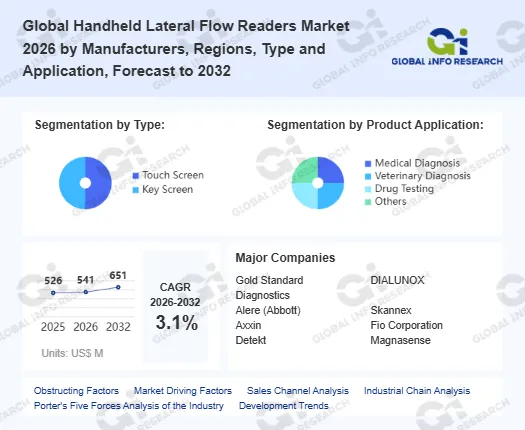
According to the latest "Global Handheld Lateral Flow Readers Market 2026 by Manufacturers, Regions, Type and Application, Forecast to 2032" research by GIR (Global Info Research), the global Handheld Lateral Flow Readers market was valued at USD 526 million in 2025 and is expected to reach approximately USD 541 million in 2026. The market is further projected to grow significantly to around USD 651 million by 2032, registering a CAGR of 3.1% during the forecast period. This growth is driven by increasing market demand, technological advancements, and expanding application areas, highlighting strong growth potential and emerging opportunities for industry participants worldwide.
Global Lateral Flow Readers Top 10 Players Ranking and Market Share (Ranking is based on the revenue of 2025, continually updated)
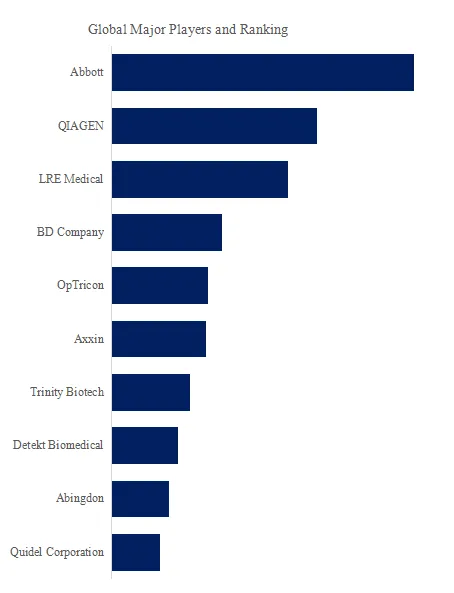
According to Global Info Research Top Players Research Center, the global key manufacturers of Lateral Flow Readers include Abbott, QIAGEN, LRE Medical, BD Company, OpTricon, Axxin, Trinity Biotech, Detekt Biomedical, Abingdon, Quidel Corporation, etc. In 2025, the global top five players had a share approximately 27.0% in terms of revenue.
Lateral Flow Readers, Global Market Size, Split by Product Segment
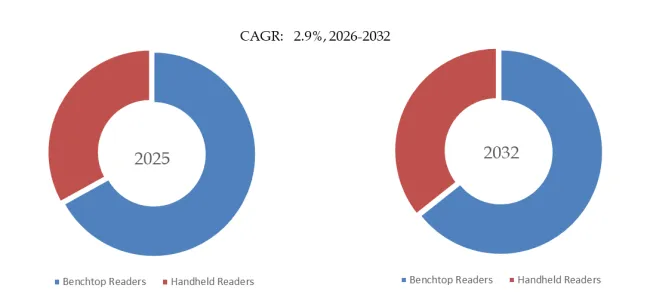
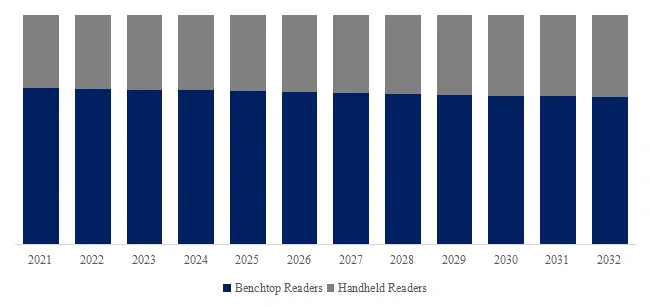
In terms of product type, currently Benchtop Readers is the largest segment, hold a share of 66.9%.
Lateral Flow Readers, Global Market Size, Split by Application Segment
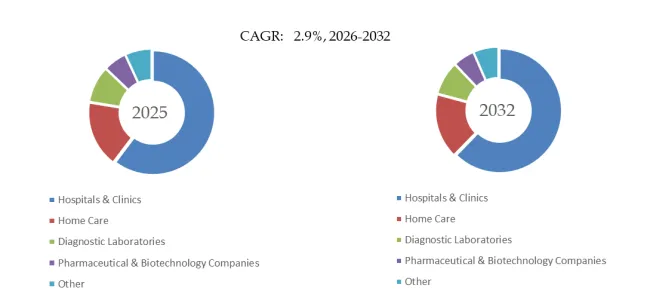
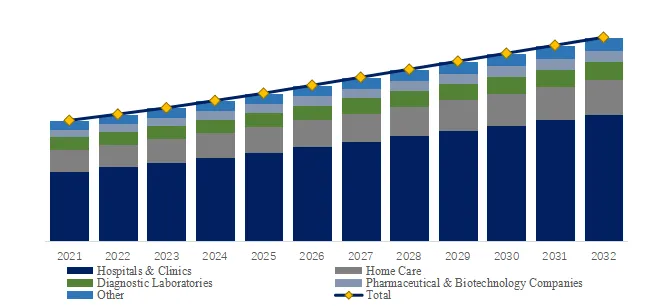
In terms of product application, currently Hospitals & Clinics is the largest segment, hold a share of 60.3%.
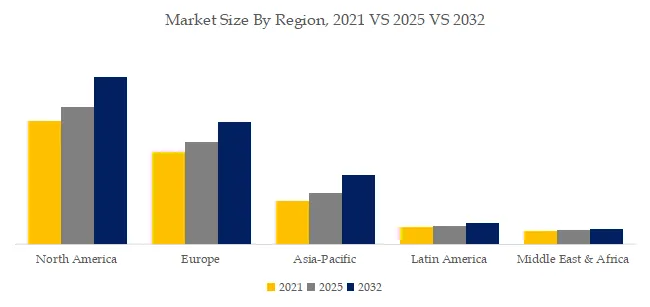
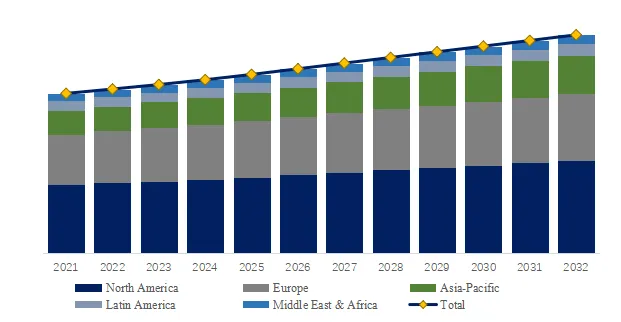
Lateral Flow Readers, Global Market Size, Split by Region
Key Drivers:
1. High Incidence of Infectious Diseases and Demand for Rapid Testing
Globally, the high incidence and continuous outbreaks of infectious diseases are the primary driver of market growth. Both emerging infectious diseases (such as COVID-19) and re-emerging infectious diseases (such as hepatitis, tuberculosis, and influenza) pose a persistent threat to public health.
The Urgency of Timely Diagnosis: Rapid testing can provide diagnostic results in the early stages of disease, which is crucial for timely treatment and controlling the spread of outbreaks. Especially in resource-limited and remote areas, rapid test readers have become a key diagnostic tool due to their convenience.
The Routine of Mass Screening: Taking COVID-19 as an example, the large-scale screening efforts during the global pandemic have greatly highlighted the importance of rapid and accurate diagnostic solutions. The large-scale deployment of rapid test readers in airports, workplaces, and community health centers has ensured data reliability and supported public health surveillance.
2. The Popularization of Point-of-Care Testing and Home Testing
The shift in healthcare models, particularly the rise of point-of-care testing (POCT) and home testing, has significantly driven market growth.
Advantages of Point-of-Service Testing: Testing can be completed near the patient (e.g., at the hospital bedside, clinic, or ambulance), eliminating the turnaround time for samples to be sent to a laboratory. This allows doctors to make immediate treatment decisions, improving overall medical efficiency.
The Rise of Home Testing: With increasing health awareness and a pursuit of convenience and privacy, more and more people are choosing to self-test at home (e.g., for infectious diseases, fertility, drug abuse). Rapid test readers enable patients to easily complete tests at home and remotely share data with doctors, promoting the decentralization of healthcare services.
3. Technological Innovation: Digitalization, Intelligence, and Connectivity
Continuous technological advancements are redefining the performance and value of lateral tomography readers.
Digitalization and Quantitative Analysis: Modern equipment has evolved from visual interpretation to digital and quantitative readers, eliminating subjective errors and providing more objective and traceable results.
Artificial Intelligence (AI) Integration: AI algorithms are used for result interpretation, effectively reducing false positives/false negatives and adapting to variations in test strip quality, significantly improving interpretation accuracy in complex environments.
Interoperability: Internet of Things (IoT) capabilities enable devices to seamlessly transmit test data to electronic health records or the cloud, supporting remote monitoring and public health big data analysis.
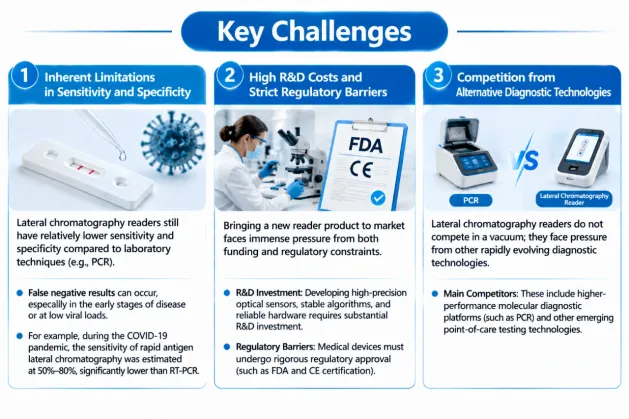
Key Challenges:
1. Inherent Limitations in Sensitivity and Specificity
Despite significant technological advancements, lateral chromatography readers still face a fundamental challenge compared to laboratory techniques such as molecular diagnostics (e.g., PCR) due to their relatively lower sensitivity and specificity.
Specifically: False negative results can occur, especially in the early stages of disease or at low viral loads. For example, during the COVID-19 pandemic, the sensitivity of rapid antigen lateral chromatography was estimated to be between 50% and 80%, significantly lower than RT-PCR. This limits clinicians' complete reliance on it in high-risk decisions, posing a challenge in certain critical cases requiring definitive diagnosis.
2. High R&D Costs and Strict Regulatory Barriers
Bringing a new reader product to market faces immense pressure from both funding and regulatory constraints.
R&D Investment: Developing high-precision optical sensors, stable algorithms, and reliable hardware requires substantial R&D investment.
Regulatory Barriers: As medical devices, lateral chromatography readers must undergo rigorous regulatory approval processes (such as FDA and CE certification). Differences in regulations across different countries and regions, along with the substantial clinical validation data required for approval, constitute high barriers to market entry. This is particularly challenging for startups and small businesses.
3. Competition from Alternative Diagnostic Technologies: Lateral chromatography readers do not compete in a vacuum; they face pressure from other rapidly evolving diagnostic technologies.
Main Competitors: These include higher-performance molecular diagnostic platforms (such as PCR) and other emerging point-of-care testing technologies. In applications requiring extremely high accuracy (such as viral load monitoring), users may prefer higher-performance alternatives, even if they are more expensive or time-consuming.
Handheld Lateral Flow Readers Report Chapter Summary:
Chapter 1: Handheld Lateral Flow Readers Industry Definition and Market Overview
This chapter clearly defines the product definition, characteristics, and industry statistical scope of Handheld Lateral Flow Readers, systematically introduces its mainstream product classifications and key application areas, and presents the overall size and future outlook of the global market.
Chapter 2: In-depth Analysis of Core Handheld Lateral Flow Readers Companies (2021-2025)
This chapter focuses on the main players in the Handheld Lateral Flow Readers market. For each representative company, it not only introduces its basic overview, main business, and product portfolio, but also highlights its core operating data in the Handheld Lateral Flow Readers field, including sales volume, sales revenue, pricing strategies, and the latest development trends of the company from 2021 to 2025.
Chapter 3: Global Competitive Landscape Analysis (2021-2025)
This chapter examines the global Handheld Lateral Flow Readers competitive landscape from a macro perspective. By comparing the Handheld Lateral Flow Readers sales volume, pricing, revenue, and market share of major companies from 2021 to 2025, it quantitatively analyzes market concentration and interprets the competitive strategies and market position evolution of core manufacturers.
Chapter 4: Handheld Lateral Flow Readers Major Regional Market Size and Prospects (2021-2032)
This chapter conducts a regional-level analysis of the global Handheld Lateral Flow Readers core markets. It will present historical data on the Handheld Lateral Flow Readers market size (sales volume and revenue from 2021-2025) in major regions such as North America, Europe, and Asia Pacific, and provide market outlook forecasts for 2026-2032.
Chapter 5: Handheld Lateral Flow Readers Product Type Segmentation Market Forecast (2021-2032)
This chapter delves into the Handheld Lateral Flow Readers product structure. It will segment the Handheld Lateral Flow Readers market by different types (such as Touch Screen、Key Screen, etc.), and analyze in detail the historical market size of each segmented product category from 2021 to 2025 and the future growth trends from 2026 to 2032.
Chapter 6: Handheld Lateral Flow Readers Application Field Segmentation Market Forecast (2021-2032)
This chapter delves into the downstream application demand for Handheld Lateral Flow Readers. The market will be segmented by different application areas (such as Medical Diagnosis、Veterinary Diagnosis、Drug Testing、Others, etc.), presenting the historical market size for each area from 2021-2025 and future demand forecasts from 2026-2032.
Chapters 7-11: In-depth Analysis of Global Regional Markets (2021-2032)
This section is the core module of the Handheld Lateral Flow Readers report, providing an in-depth country/regional analysis across five major regions: North America, Europe, Asia Pacific, South America, and the Middle East & Africa. The chapter structure for each region is consistent:
Segmentation by Country/Region: Analysis of the market size and forecasts for major countries within the region from 2021-2032.
Segmentation by Product Type: Presentation of the market structure and development forecasts for different product types within the region from 2021-2032.
Segmentation by Application Area: Analysis of market demand and prospects for different application areas within the region from 2021-2032.
Chapter 12: Global Handheld Lateral Flow Readers Market Dynamics, Challenges, and Trends
This chapter aims to analyze the key internal and external factors affecting the development of the Handheld Lateral Flow Readers market. It systematically reviews the core drivers of Handheld Lateral Flow Readers market growth, the main obstacles and challenges faced, and assesses future product, technology, and market development trends.
Chapter 13: Handheld Lateral Flow Readers Industry Chain Structure Analysis
This chapter analyzes the entire industry chain ecosystem of the Handheld Lateral Flow Readers industry. From upstream raw material supply to midstream production and manufacturing, and then to downstream end-use applications, it analyzes the current status, cost structure, and collaborative relationships of each link.
Chapter 14: Sales Channel Model Research
This chapter focuses on the distribution channels of Handheld Lateral Flow Readers products. It analyzes the market share, advantages and disadvantages, and typical cases of mainstream sales channels, and explores the innovation and development trends of channel models.
Chapter 15: Research Conclusions and Strategic Recommendations
As a summary of the report, this chapter will distill the core findings and conclusions of the entire report and, based on a comprehensive understanding of the Handheld Lateral Flow Readers market, provide actionable strategic development recommendations for industry participants and potential entrants.
For more information, please refer to "Global Handheld Lateral Flow Readers Market 2026 by Manufacturers, Regions, Type and Application, Forecast to 2032". This report analyzes the supply and demand situation, development status, and changes in the industry, focusing on the development status of the industry, how to face the development challenges of the industry, industry development suggestions, industry competitiveness, and industry investment analysis and trend forecasts. The report also summarizes the overall development dynamics of the industry, including the impact of the latest US tariffs on the global supply chain, the supply relationship analysis of the industrial chain, and provides reference suggestions and specific solutions for the industry in terms of products.
Previous News:
Global Quartz Tubing Market Is Projected to Reach USD 947 Million by 2032, Expanding at a 5.1% CAGR Through the 2026–2032 Forecast Period
Next News:
Global Uncoated Rice Cooker Market Is Set for 8.4% CAGR Growth, Reaching an Estimated USD 1,361 Million by 2032, According to the Latest 2026 Industry Report
The copyright of this article belongs to Global Info Research. Without the written authorization of our company, no organization or individual may reprint, quote, copy, adapt or use it for commercial purposes in any way. When authorized to use, the original source must be indicated as "Global Info Research" and the complete copyright information must be retained.
- We Provide Professional, Accurate Market Analysis to Help You Stay Ahead of Your Competition.Speak to our analyst >>

Our Clients
What We Can Provide?
With better results and higher quality products,Our professional reports can achieve four things:

Insight into the industry market information

Analyze market development needs

Prospects for future development

Develop industry investment strategy
- Digging deeper into global industry information and providing market strategies.Contact Us >>
- We Provide Professional, Accurate Market Analysis to Help You Stay Ahead of Your Competition.Speak to our analyst >>
Our Clients
What We Can Provide?
With better results and higher quality products,Our professional reports can achieve four things:
Insight into the industry market information
Analyze market development needs
Prospects for future development
Develop industry investment strategy
- Digging deeper into global industry information and providing market strategies.Contact Us >>